
Why Buy American-Made Steel Targets? The Steel and Manufacturing Behind Shoot Steel
30th Jun 2026
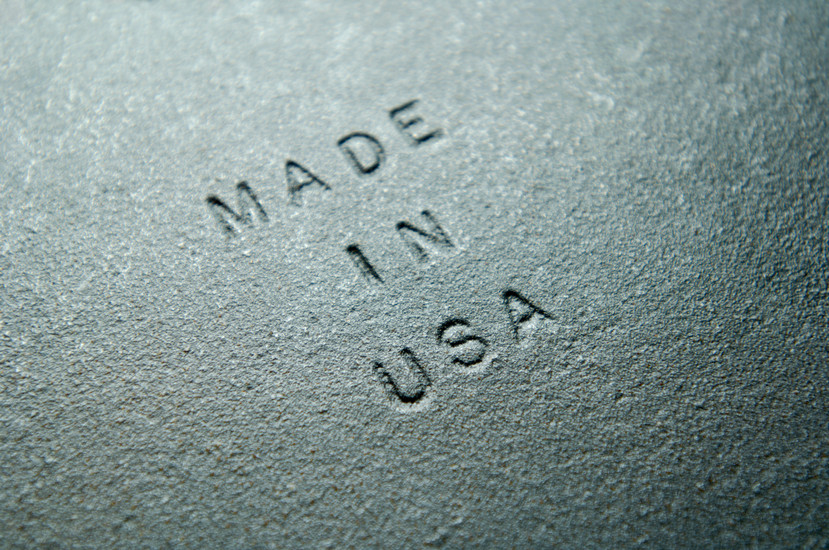
American-made steel targets give shooters something imported targets often make difficult to verify: where the steel came from, how the target was manufactured, and who stands behind it. Shoot Steel manufactures its steel targets in the United States, using domestic AR500 steel throughout its AR500 target line and premium Swedish Hardox® steel for select AR550 targets. That combination gives shooters known materials, controlled manufacturing and a company that can be held accountable for the finished product.
When you are sending 9mm, 5.56, .308 or larger rifle rounds into a steel plate, the origin and quality of that plate are not just marketing details. Steel hardness, thickness, cutting method, target design and mounting all affect how the target performs after hundreds or thousands of impacts.
That is why buying a steel target should involve more than comparing diameter and price. You should know what you are shooting.
Why American-Made Steel Targets Matter
The biggest advantage of American-made steel targets is traceability. A target is a high-impact piece of equipment. You want confidence that the material being sold as AR500 or AR550 actually meets the performance expectations associated with that grade.
There are four things worth looking at before buying:
- Steel origin: Where was the plate produced?
- Steel grade: Is the target actually made from abrasion-resistant plate?
- Manufacturing: How was the target cut and fabricated?
- Accountability: Who stands behind the finished target?
A low-priced target with vague material claims may work for a while. The problem is that the buyer usually has no easy way to determine whether the steel has consistent hardness across the plate or whether manufacturing compromised the strike face.
Shoot Steel takes a different approach. Our AR500 targets are CNC laser-cut from domestic AR500 steel and manufactured in the United States. For shooters who need an even harder plate for demanding rifle use, we also manufacture targets in the USA using premium Swedish Hardox® AR550 steel.
What Steel Does Shoot Steel Use?
Not every Shoot Steel target uses the same material because different shooting applications place different demands on the target.
Domestic AR500 Steel
AR500 is abrasion-resistant steel with hardness around the 500 Brinell range. It has become the standard material for quality reusable steel shooting targets because it combines hardness, durability and value.
Shoot Steel uses US-made AR500 steel in its AR500 target line. Depending on the product and intended caliber, target plates are available in multiple thicknesses, including commonly used 3/8″ and 1/2″ configurations.
For most recreational shooters, 3/8″ AR500 is an excellent general-purpose choice for handgun shooting and many short-action rifle applications when used at the correct distance.
Moving to 1/2″ AR500 adds mass and durability for shooters using more powerful cartridges or putting significantly more rounds on steel.
Swedish Hardox® AR550 Steel
Some applications call for an even harder target surface. That is where Shoot Steel's Hardox® AR550 targets come in.
Hardox® is a premium abrasion-resistant steel manufactured by SSAB. Shoot Steel uses Swedish Hardox® AR550 steel for select heavy-duty targets, then manufactures the finished targets in the United States.
The increased hardness makes Hardox® AR550 particularly attractive for shooters running high round counts, higher-velocity rifle cartridges or commercial range setups where target life matters.
This is an important distinction when discussing USA-made steel targets: our AR500 plate is domestic steel, while our Hardox® AR550 plate is premium Swedish steel that is manufactured into finished Shoot Steel targets here in the United States.
American Steel vs Imported Steel Targets
| Factor | Shoot Steel AR500 | Low-Cost Imported Target |
|---|---|---|
| Steel Source | Domestic AR500 steel | May be unclear or difficult to verify |
| Manufacturing | Manufactured in the USA | Varies by supplier |
| Cutting | CNC laser-cut | Method may not be specified |
| Material Accountability | Known manufacturer and stated material | Depends on seller |
| Replacement & Support | US-based company and product support | Can vary significantly |
Imported steel is not automatically bad steel, just as domestic steel is not automatically the correct steel for every application. The real problem is uncertainty.
If a seller simply says "AR500" without telling you where the material came from, how the plate was cut or where the target was manufactured, you are being asked to trust the label.
When comparing targets, look beyond the price per plate. A target that costs less initially is not a better value if it pits, bends or needs replacement sooner.
Why CNC Laser Cutting Matters
The manufacturing process matters because abrasion-resistant steel gets its performance from its hardness. Excessive heat introduced during cutting can affect the material near the cut edge.
Shoot Steel uses CNC laser cutting to produce clean, repeatable target profiles while minimizing unnecessary heat input around the cut.
That matters for several reasons:
- Consistent target dimensions
- Clean mounting holes
- Repeatable target shapes
- Reduced heat-affected area compared with less controlled cutting processes
- Efficient production without unnecessarily compromising the plate
Good target manufacturing is not about making a piece of steel look impressive. It is about preserving the characteristics that made the steel valuable in the first place.
What Is the Best Steel for Shooting Targets?
There is no single thickness or hardness that is ideal for every shooter. The best steel for shooting targets depends on caliber, velocity, distance and expected shooting volume.
9mm and Common Handgun Calibers
For 9mm, .40 S&W, .45 ACP and similar handgun cartridges, AR500 offers more than enough durability when the target is mounted correctly and used at safe distances.
For most handgun shooters, the bigger decision is target style rather than simply buying the thickest plate available. A properly selected AR500 plate provides the audible ring and immediate feedback that make steel valuable for drills, transitions and competition practice.
5.56 NATO and .223 Remington
5.56 and .223 introduce a different concern: velocity.
A relatively small rifle bullet traveling at high velocity can be harder on steel than a much larger handgun bullet. For general rifle use, 3/8″ AR500 is a popular choice when used at the proper distance. High-volume shooters may choose thicker AR500 or Hardox® AR550 for additional resistance to pitting and surface wear.
.308 Winchester
.308 Win brings more energy to the target and should be paired with a target specifically rated for that cartridge. Shoot Steel offers AR500 and Hardox® AR550 configurations designed for short-action rifle cartridges including .308 when used according to the target's stated distance requirements.
Do not choose steel based only on caliber. Impact velocity is one of the most important factors affecting target life.
Safe Shooting Distances Still Matter
Buying a premium American-made AR500 target does not eliminate the need to follow safe steel-target practices.
As a general rule for Shoot Steel targets:
- Centerfire handguns: Start at 10 yards or farther
- Magnum handguns: Use increased distance
- Centerfire rifles: Typically 100 yards minimum
- Higher-velocity rifles: Increase distance as velocity increases
- Long-action and magnum rifle cartridges: Often require substantially greater distance
Always follow the minimum distance listed for the specific Shoot Steel target you are using.
Angle and Mounting
Steel should be mounted so bullet fragments are directed into a safe area. Many target systems allow the plate to hang or angle slightly downward so splatter is directed toward the ground.
Never continue shooting a target with significant craters, deep pitting or other strike-face damage. An irregular target surface can redirect fragments unpredictably.
Ammunition
Avoid ammunition that is not approved for the target. Armor-piercing, hardened-core and other specialty projectiles can damage steel that easily handles conventional lead-core ammunition.
Before shooting an unfamiliar cartridge, check the target's caliber rating and distance guidance.
Common Mistakes When Buying Steel Shooting Targets
- Buying based on thickness alone. A thick plate made from questionable material is not automatically better than properly hardened target steel.
- Ignoring velocity. High-velocity rifle rounds can damage targets even when the caliber does not appear particularly large.
- Assuming every "AR500" target is identical. Material quality, hardness consistency and manufacturing can differ between suppliers.
- Shooting too close. Distance protects both the shooter and the target.
- Using damaged targets. Pitted or cratered steel should be removed from service.
- Ignoring the mounting system. A quality plate still needs a safe, durable mounting setup.
- Shopping only by price. Target life and replacement frequency matter when calculating actual value.
Who Should Buy USA Made Steel Targets?
Domestic manufacturing makes sense for anyone who wants more confidence in the equipment on their range, but several types of buyers benefit particularly strongly.
- Recreational shooters: Buy a target once and build a range around equipment you can continue using.
- Competitive shooters: Consistent target dimensions and reliable feedback matter when practicing transitions and match stages.
- Range owners: High round counts make material quality and replacement cost critical.
- Firearms instructors: Training equipment needs to perform consistently across repeated classes.
- Law enforcement and military buyers: Known sourcing and US manufacturing can matter during purchasing and vendor evaluation.
- Buy-American customers: Domestic AR500 and US manufacturing keep more of the production process here at home.
Why Shoot Steel?
Shoot Steel has a simple philosophy: shooters should know what they are buying.
Our AR500 products are built from domestic AR500 steel. Our premium Hardox® AR550 products use Swedish Hardox® steel. Finished Shoot Steel targets are manufactured in the United States.
That gives you a clear answer to questions many target listings avoid:
- What is the target made from?
- Where did the steel come from?
- How was it manufactured?
- What calibers is it designed to handle?
- What distance should it be shot from?
- Who do I contact if I have a problem?
Supporting American manufacturing is a good reason to buy American shooting targets. Knowing exactly what you are putting downrange is an even better one.
Frequently Asked Questions
Are Shoot Steel targets made in the USA?
Yes. Shoot Steel manufactures its finished steel shooting targets in the United States. AR500 products use domestic AR500 steel, while select Hardox® AR550 products use premium Swedish Hardox® steel and are manufactured into finished targets in the USA.
Where are Shoot Steel AR500 targets made?
Shoot Steel's AR500 steel targets are manufactured in the United States from domestic AR500 steel. Product construction varies by target, so always check the individual product specifications for thickness, caliber rating and minimum shooting distance.
Is American AR500 steel better than imported AR500?
Steel origin alone does not guarantee target performance, but domestic sourcing provides greater transparency and accountability. The key factors are verified material, appropriate hardness, thickness, manufacturing quality and proper use.
What is the best steel for shooting targets?
AR500 is an excellent general-purpose target steel for handgun and rifle shooting when thickness and distance are matched to the cartridge. Harder AR550 steel is often selected for higher-volume or more demanding rifle applications.
What is Hardox® AR550 steel?
Hardox® is premium abrasion-resistant steel manufactured by SSAB. Shoot Steel uses Swedish Hardox® steel for select AR550 targets where increased hardness and resistance to surface wear are valuable.
Can I shoot 9mm at AR500 steel?
Yes. Properly rated AR500 targets are well suited for common handgun cartridges such as 9mm. Shoot Steel recommends maintaining the minimum distance specified for the target, typically at least 10 yards for centerfire handguns.
Can I shoot 5.56 at AR500 steel?
Yes, when the target is rated for rifle use and you follow the specified minimum shooting distance. Because 5.56 is a high-velocity cartridge, distance and target thickness are especially important.
Can I shoot .308 at steel targets?
Yes, but only use a target rated for .308 Win and follow its minimum distance requirements. Shoot Steel offers both AR500 and Hardox® AR550 targets designed for short-action rifle use.
How long will an AR500 target last?
Target life depends on ammunition, impact velocity, shooting distance, plate thickness, target hardness and shooting volume. Properly selected AR500 steel can withstand thousands of conventional impacts, but the strike face should be inspected regularly and removed from service if significant pitting or cratering develops.
Are made-in-USA steel targets worth the extra cost?
For shooters who value material traceability, manufacturing consistency, domestic production and US-based product support, they can be. The better comparison is total service life and confidence in the equipment, not simply the lowest purchase price.