
Best Steel Targets for 5.56 and .223 (Complete Buyer’s Guide)
10th Apr 2026
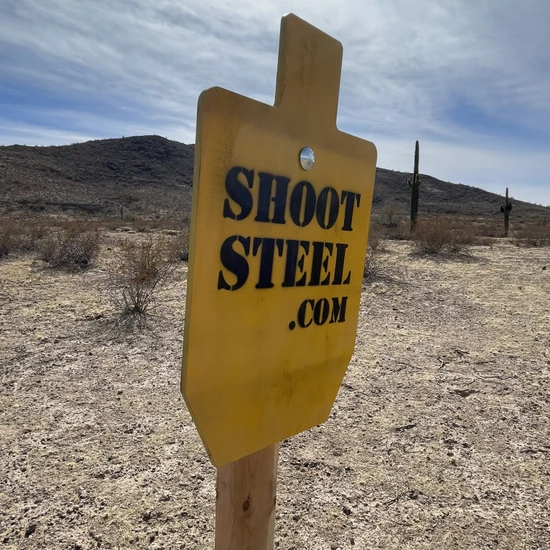
The best steel targets for 5.56 are 3/8″ AR500 steel targets designed for rifle use, mounted with a slight forward angle, and used at a minimum distance of 100 yards. This setup ensures safe bullet fragmentation, long target life, and reliable performance for both .223 and 5.56 NATO rifles.
What Makes the Best Steel Targets for 5.56?
Not all steel targets are built for rifle velocities. The 5.56 cartridge travels significantly faster than handgun rounds, which means target material, thickness, and mounting method matter more than most shooters realize.
If you're searching for the best steel targets for 5.56, here’s what actually matters:
- Steel Type: AR500 or harder (AR550 preferred for longevity)
- Thickness: Minimum 3/8″ for rifle use
- Mounting: Must allow movement or forward angle
- Distance: Minimum 100 yards for safety
- Ammo Type: No steel core or penetrator rounds
Cut corners on any of these, and you’ll damage your targets—or worse, create unsafe shooting conditions.
Shop Rifle-Rated Steel TargetsBest Steel Thickness for 5.56 and .223
Thickness is the single most important factor when choosing steel targets for .223 or 5.56.
| Thickness | Recommended Use | 5.56 Compatibility |
|---|---|---|
| 1/4″ | Handguns only | ❌ Not safe |
| 3/8″ | Standard rifle targets | ✅ Ideal choice |
| 1/2″ | High-volume or close-range rifle | ✅ Maximum durability |
For most shooters, 3/8″ AR500 is the sweet spot. It handles standard 5.56 velocities without deformation when used at proper distances.
If you're running high-volume drills, short-barrel rifles, or closer distances, stepping up to 1/2″ can extend target life significantly.
AR500 vs AR550: Which Is Better for Rifle Targets?
Both AR500 and AR550 are abrasion-resistant steels, but they perform differently under rifle fire.
- AR500: Industry standard, cost-effective, proven durability
- AR550: Harder surface, better resistance to pitting and cratering
For casual shooters, AR500 works perfectly. But if you shoot frequently or want longer-lasting AR500 targets for rifle applications, upgrading to AR550 is worth it.
Upgrade to AR550 TargetsSafe Distance for 5.56 Steel Targets
Safety isn’t optional—it’s critical when shooting rifle steel.
The recommended safe distance for 5.56 steel targets is:
- Minimum: 100 yards
- Preferred: 150–200 yards for extended sessions
Why distance matters:
- Prevents splashback from bullet fragments
- Reduces steel wear and pitting
- Ensures consistent fragmentation pattern
Shooting closer than 100 yards dramatically increases the risk of ricochet or target damage—even with quality steel.
Mounting Matters More Than You Think
Even the best steel plate will fail if mounted incorrectly.
Proper mounting should:
- Allow the target to move or swing
- Create a slight forward angle
- Avoid rigid, flat, perpendicular positioning
Movement dissipates energy, while forward angle directs bullet fragments safely toward the ground.
Static, rigid mounts are one of the fastest ways to destroy rifle steel targets.
Browse Target Mounting SystemsBest Target Shapes for 5.56 Shooting
Different shapes serve different shooting goals. Choosing the right one improves both training and enjoyment.
1. Silhouette Targets
- Great for tactical training
- Realistic engagement zones
- Popular sizes: 12″x20″, 18″x30″
2. Gong Targets
- Audible feedback at distance
- Ideal for precision shooting
- Common sizes: 6″, 8″, 10″, 12″
3. Reactive Targets (Popper/Spinner)
- Adds movement and challenge
- Great for drills and competitions
- Requires heavier-duty steel
For most rifle shooters, a mix of gongs and silhouettes provides the best balance of fun and function.
Real-World Use Cases: 9mm vs 5.56 vs .308
Understanding how different calibers interact with steel helps you choose smarter.
- 9mm: Can use 1/4″ steel at 10–15 yards
- 5.56 / .223: Requires 3/8″ steel at 100 yards
- .308: Benefits from 1/2″ steel at 100–200 yards
Trying to use the same target across all calibers without considering these differences is a common—and expensive—mistake.
Common Mistakes to Avoid
Even experienced shooters make these errors when buying or using rifle steel targets:
- Using the wrong thickness – 1/4″ steel will crater instantly
- Shooting too close – increases risk and damages targets
- Using steel core ammo – will destroy AR500
- Mounting targets rigidly – no movement = faster wear
- Ignoring target angle – flat targets reflect fragments unpredictably
Avoid these, and your targets will last exponentially longer.
How to Choose the Right Steel Target Setup
If you want a simple, proven setup for 5.56:
- 3/8″ AR500 steel plate
- Hanging mount or T-post system
- Minimum 100-yard shooting distance
- No penetrator or steel-core ammo
If you shoot frequently or want maximum durability:
- Upgrade to AR550
- Consider 1/2″ thickness
- Use modular mounting systems
Final Thoughts
The best steel targets for 5.56 aren’t just about the plate—they’re about the entire system: steel quality, thickness, mounting, and safe usage.
Get those right, and you’ll have a target setup that delivers instant feedback, long life, and safe shooting every time you pull the trigger.
Frequently Asked Questions
Question:
What thickness steel target is best for 5.56?
Answer:
3/8″ AR500 steel is the standard for 5.56. For higher durability or frequent shooting, 1/2″ is recommended.
Question:
What is the safe distance for shooting 5.56 at steel targets?
Answer:
The minimum safe distance is 100 yards, though 150–200 yards is preferred for added safety and reduced wear.
Question:
Can I shoot .223 at AR500 steel targets?
Answer:
Yes, as long as the steel is at least 3/8″ thick, mounted properly, and used at safe distances with non-steel-core ammo.
Question:
Will 5.56 damage steel targets?
Answer:
It can if the steel is too thin, mounted incorrectly, or shot too close. Proper setup prevents damage.
Question:
Is AR550 better than AR500 for rifle targets?
Answer:
Yes. AR550 is harder and resists pitting better, making it ideal for high-volume rifle shooting.