
How Long Do AR500 Steel Targets Last? What Actually Wears Them Out
11th Aug 2026
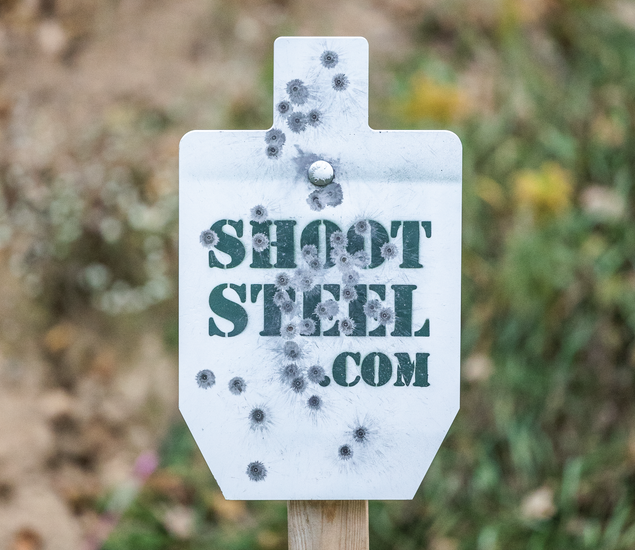
How long do AR500 steel targets last? There is no fixed round count. A properly rated AR500 target can last for thousands of impacts when it is used with the correct ammunition, at the proper shooting distance and within its caliber and velocity limits. What shortens AR500 target lifespan fastest is excessive impact velocity, shooting too close, using prohibited ammunition, firing cartridges beyond the target's rating and continuing to shoot a plate after significant pitting or cratering develops.
Round count by itself tells you very little about AR500 steel target durability. Thousands of 9mm hits at the proper distance can be easier on a target than a much smaller number of high-velocity rifle rounds fired too close. The condition of the strike face matters more than an arbitrary number of shots.
If you want your steel targets to last, focus on impact conditions rather than counting rounds.
How Long Do AR500 Steel Targets Last?
A quality AR500 target does not have an expiration date or a universal round-count limit. Its service life depends on how hard each impact is on the steel.
The biggest factors are:
- Bullet velocity at impact
- Projectile construction
- Caliber and energy
- Shooting distance
- Target thickness
- Steel hardness
- Shooting volume
- Target design and mounting
- Condition of the strike face
This is why asking "how many rounds can AR500 targets take?" does not have one honest answer. A properly used handgun target may see an extremely high number of impacts without meaningful surface damage. A rifle target used outside its rating can begin pitting much sooner.
Shoot Steel recommends regularly inspecting the target face and increasing shooting distance if pitting begins to appear. Plates showing severe pitting or cratering should be removed from service.
What Wears Out AR500 Steel Targets Fastest?
If your goal is maximum target life, these are the biggest problems to avoid.
- Excessive impact velocity. High-speed rifle bullets are one of the biggest causes of AR500 target pitting and surface damage.
- Shooting too close. Additional distance allows rifle projectiles to lose velocity before reaching the target.
- Steel-core, armor-piercing or other prohibited ammunition. Hardened projectiles can damage target steel that handles conventional lead-core ammunition without a problem.
- Using cartridges beyond the target's rating. AR500 thickness and target design determine which cartridges a plate is built to handle.
- High-volume rifle fire. Repeated rifle impacts create more wear than typical recreational handgun use.
- Continuing to shoot damaged steel. Once significant pitting or cratering develops, future impacts are hitting an irregular surface.
- Improper mounting or setup. Targets should be mounted and used according to the system's intended design.
The common theme is simple: AR500 is extremely durable when used within its design limits, but hardness does not make it indestructible.
AR500 Target Lifespan by Caliber
| Cartridge | Relative Wear | Typical Target Choice | Main Concern |
|---|---|---|---|
| 9mm | Low when used correctly | 3/8" AR500 | Proper distance and target condition |
| .223 / 5.56 | Moderate to high | 3/8" AR500 or heavier depending on use | High velocity |
| .308 Win | Moderate to high | 3/8" or 1/2" AR500 | Energy, distance and shooting volume |
| High-Volume Rifle | High | 1/2" AR500 or Hardox® AR550 | Repeated surface wear |
| Magnum Rifle | Very demanding | Target-specific 1/2" AR500 or AR550 | High energy and velocity |
Shoot Steel's current 3/8" AR500 gongs are rated through .308 Win and 6.5 Creedmoor, with a 100-yard minimum for rifles at or below 3,000 fps and 200 yards above 3,000 fps. Shooters are also instructed to increase distance if pitting appears.
Does 9mm Wear Out AR500 Targets?
Standard 9mm is relatively easy on properly rated AR500 compared with centerfire rifle ammunition. For most recreational pistol shooters, 3/8" AR500 should provide very long service life when used correctly.
Shoot Steel specifies a 10-yard minimum for centerfire handguns on applicable targets.
For a shooter who primarily uses:
- 9mm
- .40 S&W
- .45 ACP
- Other conventional centerfire handgun cartridges
target life is generally more likely to be limited by eventual normal wear, mounting-component replacement or misuse than by ordinary handgun impacts at proper distance.
That is one reason buying 1/2" AR500 just for 9mm is usually unnecessary. More thickness means more weight, but it does not automatically provide a meaningful advantage for normal handgun use.
Why 5.56 Can Be Harder on Steel Than 9mm
Bullet size alone does not determine how hard a projectile is on steel. Velocity is critical.
A 5.56 or .223 bullet is smaller and lighter than a 9mm bullet, but it can be traveling dramatically faster. That high impact velocity can cause pitting when the shooter is too close or when the ammunition exceeds the target's stated velocity limits.
On applicable 3/8" Shoot Steel AR500 targets:
- Rifles at or below 3,000 fps muzzle velocity: 100 yards minimum
- Rifles above 3,000 fps muzzle velocity: 200 yards minimum
Those distances exist in part to allow velocity to decrease before the projectile reaches the target.
If you regularly shoot 5.56, do not judge your target's condition only by whether it remains flat. Look closely for small pits developing in the strike face. That surface damage is an early sign that your impact conditions are too aggressive.
Does .308 Shorten AR500 Target Life?
.308 Win places more energy into the target than typical handgun ammunition, but properly rated AR500 is built to handle it at the required distance.
Shoot Steel's 3/8" AR500 gongs are rated through .308 Win and 6.5 Creedmoor when used at the correct minimum distance.
If .308 is an occasional part of your shooting, 3/8" AR500 offers a good balance of durability and portability.
If you shoot .308 constantly, operate a training facility or maintain a permanent rifle range, a heavier target may make sense. Shoot Steel's 1/2" AR500 targets extend into more demanding rifle cartridges, including products rated through .338 Lapua Magnum at the specified distances.
The decision is less about whether 3/8" "can take .308" and more about how much rifle shooting the plate will see and what other cartridges you intend to use.
What Causes AR500 Target Pitting?
AR500 target pitting occurs when an impact exceeds what the target face can handle cleanly. Instead of the projectile breaking up against a hard, flat surface without meaningful deformation, a small indentation forms in the steel.
Common causes include:
- Rifle velocity that is too high at the target
- Shooting from inside the recommended minimum distance
- Using ammunition with a hardened penetrator
- Using a cartridge outside the target's rating
- Repeatedly impacting the same area under aggressive conditions
A tiny mark in paint is normal. An actual depression in the steel is different.
Shoot Steel specifically tells shooters to increase distance whenever pitting is observed.
Pitting vs. Cratering: When Is a Target Worn Out?
Pitting and cratering are not just cosmetic problems. Steel targets work best with a hard, flat and predictable strike face.
Pitting refers to smaller depressions developing in the target surface. It can be an early indication that your ammunition, velocity or distance needs to change.
Cratering is more significant deformation. A crater creates an irregular surface that can change how future projectiles and fragments behave when they hit the plate.
Shoot Steel's current guidance calls for replacing a plate that shows cratering or severe pitting.
A good inspection rule is:
- Flat surface with paint loss: Normal use
- Initial pitting: Stop and evaluate ammunition and distance
- Increasing or widespread pitting: Increase distance and reassess the target/application
- Severe pits, craters or deformation: Remove the plate from service
Do not keep shooting damaged steel simply because it still hangs on the stand.
Does 1/2" AR500 Last Longer Than 3/8" AR500?
Sometimes, but thickness alone does not determine AR500 target life.
A 1/2" plate has more material and is suited to heavier-duty applications. Shoot Steel offers 1/2" AR500 products rated through powerful cartridges such as .338 Lapua Magnum at 200 yards on applicable targets.
But remember where damage begins: the strike face.
If you shoot either thickness too close with a high-velocity rifle round, the front surface can pit. Adding another 1/8" of steel behind that impact does not make an abusive shooting condition correct.
Choose 1/2" because:
- Your cartridge requires it
- You shoot high volumes of rifle ammunition
- You need the heavier target mass
- Your range setup is permanent enough that weight is not a concern
Do not choose it simply because you assume thicker steel can be abused without consequences.
Does AR550 Last Longer Than AR500?
For demanding rifle applications, AR550 can offer increased resistance to surface wear and pitting because it is harder than AR500. Shoot Steel uses Hardox® AR550 for select premium rifle targets and recommends it for applications where additional hardness is valuable.
Hardox® AR550 makes the most sense for:
- High-volume rifle ranges
- Commercial shooting facilities
- Firearms training operations
- Shooters using more demanding rifle cartridges
- Buyers prioritizing resistance to surface wear
That does not make AR550 indestructible. Shoot Steel still specifies minimum distances for AR550 and instructs users to increase distance if pitting or cratering appears.
For normal handgun use and recreational .223, 5.56 or .308 shooting, AR500 can provide excellent service life. AR550 becomes more valuable as the application gets harder on steel.
What Ammo Damages AR500 Steel Targets?
Projectile construction has a major effect on target life.
Shoot Steel instructs users not to fire steel-core, armor-piercing or tracer ammunition at its applicable AR500 targets.
That includes situations where the cartridge itself may normally be within the target's caliber rating. The target can be rated for 5.56, for example, without every type of 5.56 projectile being appropriate for that plate.
For conventional FMJ ammunition, the important question is what is inside the jacket. Ordinary lead-core, copper-jacketed ammunition is very different from a hardened-core projectile designed for increased penetration.
If you are unsure what a particular load contains, verify the projectile construction before firing it at steel.
What About Green Tip Ammo?
Do not assume 5.56 green tip is suitable for your AR500 target simply because the target is rated for 5.56. Ammunition with penetrator components can be much harder on steel than conventional lead-core ammunition.
When target life matters, use ammunition specifically appropriate for steel-target shooting and follow the target manufacturer's restrictions.
Does Shooting Distance Affect Target Life?
Yes. Distance is one of the simplest ways to extend the life of a rifle steel target.
As a bullet travels downrange, it loses velocity. Lower impact velocity generally means less stress on the target face.
Shoot Steel's current general guidance calls for:
- Centerfire handguns: 10 yards minimum on applicable products
- Magnum handguns: 25 yards or more
- Centerfire rifles: At least 100 yards
- Higher-velocity or magnum rifles: Increased distance, commonly 200 yards or more depending on the product
Shoot Steel also recommends increasing distance if you see damage or pitting developing.
If your goal is extending AR500 target lifespan, there is little downside to adding distance during rifle shooting when your range allows it.
Does Mounting Affect How Long Steel Targets Last?
Mounting does not change the hardness of the plate, but the target should still be installed as intended.
Hanging gongs should be allowed to move freely after impact. Static targets should use their intended hangers or stand systems. Shoot Steel also instructs shooters to fire perpendicular to the target face on applicable products.
Do not create improvised angles or rigid mounts simply because they seem stronger.
Also inspect the mounting system separately from the plate. Chains, rubber straps, bolts, springs and wooden uprights are wear components and may need replacement long before the AR500 plate itself does.
How to Make AR500 Steel Targets Last Longer
- Buy the correct steel thickness for your cartridge. Do not use a pistol-only or lighter rifle target for ammunition outside its rating.
- Stay at or beyond the published minimum distance. More distance can significantly reduce rifle impact velocity.
- Know your muzzle velocity. This matters especially with .223 and 5.56 ammunition.
- Use appropriate ammunition. Avoid steel-core, armor-piercing, tracer and other prohibited projectiles.
- Inspect the strike face regularly. Catching pitting early lets you change your setup before damage becomes severe.
- Increase distance when pitting appears. Do not continue shooting under the same conditions and expect a different result.
- Mount targets correctly. Let hanging targets move and use static systems as designed.
- Repaint the target. Fresh paint makes new impacts easier to track and can help you monitor surface condition.
- Replace damaged mounting hardware. Do not wait for a strap, bolt or chain to completely fail.
- Retire severely damaged plates. A cratered target is not worth squeezing a few more range sessions out of.
Common Mistakes That Shorten AR500 Target Life
- Thinking AR500 means indestructible. It is extremely durable, but it still has limits.
- Judging durability only by round count. Impact conditions matter more.
- Shooting high-velocity rifles too close. This is one of the fastest ways to create pitting.
- Ignoring projectile construction. A hardened core can dramatically change what happens at impact.
- Assuming 1/2" steel can be shot closer. Thickness does not eliminate minimum-distance requirements.
- Ignoring small pits until they become craters. Early damage is a warning to change your setup.
- Buying too little target for the cartridge. Match the steel thickness and grade to the intended ammunition.
- Replacing an entire target when only the hardware is worn. Straps, chains and bolts are designed to be replaceable.
- Keeping a badly cratered plate in service. Replace the steel when the strike face is no longer suitable for continued use.
Which Steel Target Should You Buy for Maximum Life?
Choose the target based on the most demanding shooting you actually do.
- Mostly 9mm and handgun shooting: 3/8" AR500 offers excellent durability and plenty of capability.
- 9mm plus occasional .223/5.56: Choose a 3/8" AR500 target rated for rifle use.
- Regular .308 or 6.5 Creedmoor: 3/8" AR500 works on appropriately rated targets, while 1/2" can make sense for heavier use.
- Heavy rifle volume: Consider 1/2" AR500 or Hardox® AR550.
- Magnum rifle use: Buy a target specifically rated for the cartridge and required shooting distance.
- Commercial or training range: Hardox® AR550 may justify the added investment through greater resistance to pitting and surface wear.
The longest-lasting target is not automatically the thickest or most expensive plate. It is the target that matches your caliber, velocity, shooting volume and range distance.
Use it correctly, inspect it regularly and replace it when significant damage develops. That is how you get the maximum value from AR500 steel.
Frequently Asked Questions
How long do AR500 steel targets last?
There is no fixed lifespan or round count. A properly rated AR500 target can last for thousands of impacts when used with appropriate ammunition, at the correct distance and within its caliber and velocity limits. Target condition is a better measure of remaining service life than total rounds fired.
How many rounds can an AR500 target take?
There is no universal number. Thousands of handgun impacts at proper distance may cause very little wear, while a much smaller number of high-velocity rifle impacts fired too close can cause pitting or cratering.
What causes AR500 steel targets to pit?
Pitting is commonly caused by excessive impact velocity, shooting too close, inappropriate ammunition or using cartridges beyond the target's rating. Shoot Steel recommends increasing distance whenever pitting appears.
Can you keep shooting a pitted steel target?
Initial pitting is a warning that your shooting conditions should be changed. Increase distance and inspect the plate. A target with severe pitting, cratering or significant deformation should be removed from service.
Does 9mm damage AR500 steel?
Standard 9mm is relatively easy on properly rated AR500 when used at the correct distance. Shoot Steel specifies a 10-yard minimum for centerfire handguns on applicable targets.
Is 5.56 harder on AR500 than 9mm?
It can be because 5.56 typically impacts at much higher velocity. On applicable Shoot Steel 3/8" AR500 targets, rifles at or below 3,000 fps require at least 100 yards, while rifles above 3,000 fps require at least 200 yards.
Can .308 damage AR500 targets?
A properly rated AR500 target can handle .308 Win at the specified distance. Shoot Steel's applicable 3/8" AR500 targets are rated through .308 Win and 6.5 Creedmoor.
Does 1/2" AR500 last longer than 3/8"?
It can provide greater capability in demanding applications, but thickness alone does not determine target life. Ammunition, velocity, distance, steel hardness and shooting volume all matter.
Does AR550 last longer than AR500?
AR550's increased hardness can provide greater resistance to pitting and surface wear during demanding rifle use. It can be a worthwhile upgrade for high-volume ranges or shooters who regularly put significant rifle volume on steel.
Can you shoot FMJ at AR500 targets?
Conventional lead-core FMJ can generally be used when the target is rated for the caliber and all distance requirements are followed. Do not use steel-core, armor-piercing or tracer ammunition on applicable Shoot Steel AR500 targets.
Can green tip ammo damage AR500?
Ammunition with penetrator components can be harder on steel than conventional lead-core ammunition. Do not assume a projectile is appropriate simply because the target is rated for that caliber. Follow the target manufacturer's ammunition restrictions.
How often should I inspect AR500 targets?
Inspect the plate and mounting system before each shooting session and periodically during high-volume shooting. Look for pitting, cratering, deformation, damaged mounting holes and worn hardware. Shoot Steel specifically recommends regular inspection and replacement of severely damaged plates.
When should an AR500 target be replaced?
Replace the plate when the strike face develops severe pitting, cratering, significant deformation or other damage that makes continued use inappropriate. Do not replace a target simply because it has reached an arbitrary round count.