
What Ammunition Can You Shoot at AR500 Steel? A Complete Ammo Guide
14th Apr 2026
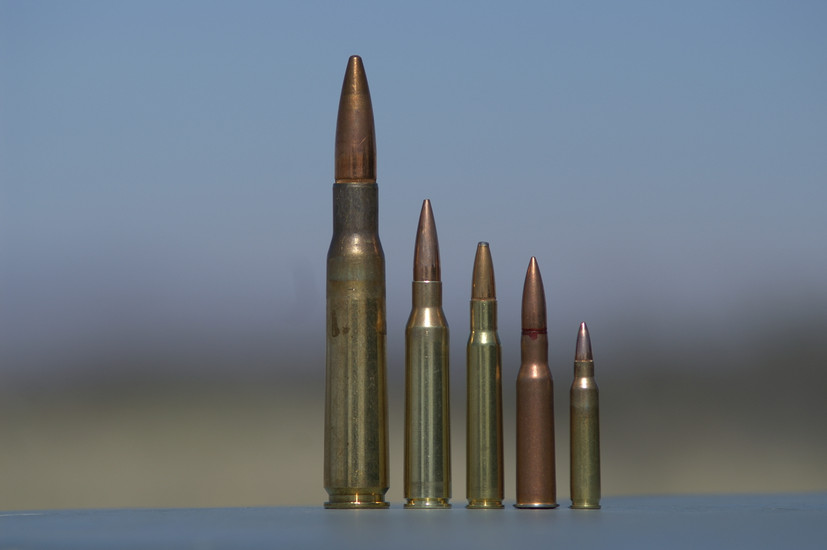
What ammunition can you shoot at AR500 steel? Conventional lead-core ammunition, including standard FMJ, hollow-point and soft-point loads, can generally be used when the target is rated for the caliber and you follow its minimum shooting distance and velocity limits. Do not use green tip, steel-core, armor-piercing or tracer ammunition on Shoot Steel AR500 targets. Frangible ammunition may be appropriate for certain steel-target applications, but it does not automatically allow you to ignore the target manufacturer's distance or caliber requirements.
The biggest mistake shooters make is looking only at the caliber stamped on the ammunition box. A target may be rated for 5.56 NATO, for example, without being appropriate for every 5.56 projectile. Bullet construction, velocity, target thickness and shooting distance all matter.
Before loading a magazine for steel, you need to know both what cartridge you are shooting and what the projectile is made from.
AR500 Target Ammo: What Can and Cannot Be Used?
| Ammunition Type | AR500 Use | Main Consideration |
|---|---|---|
| Lead-Core FMJ | Generally suitable | Target must be rated for caliber and velocity |
| Hollow Point | Generally suitable when lead-core | Confirm projectile construction |
| Soft Point | Generally suitable when conventionally constructed | Rifle velocity and target rating still apply |
| Frangible | Application-dependent | Follow target and ammunition manufacturer guidance |
| M193-Style 5.56 | Generally suitable on rifle-rated steel | High velocity may require additional distance |
| M855 / Green Tip | Do not use | Contains a steel penetrator component |
| Steel-Core | Do not use | Can damage the strike face |
| Armor-Piercing | Do not use | Designed for penetration |
| Tracer | Do not use | Prohibited by Shoot Steel guidelines |
The fastest rule to remember is: use conventional ammunition that falls within the target's caliber and velocity rating, and keep hardened penetrators away from your steel.
Shoot Steel's current guidance is especially clear on this point: never use green tip, steel-core, armor-piercing or tracer ammunition on its steel targets.
Can You Shoot FMJ at AR500 Steel Targets?
Yes, conventional lead-core FMJ ammunition is generally appropriate for a properly rated AR500 target.
FMJ stands for full metal jacket. That describes the outside construction of the bullet, not necessarily everything inside it. A conventional copper-jacketed bullet with a lead core is very different from a projectile containing a hardened steel penetrator.
That distinction matters because shooters sometimes assume "FMJ" automatically means safe or unsafe for steel. It does not.
Before shooting FMJ, confirm:
- The target is rated for the caliber
- The projectile does not contain a prohibited steel core or penetrator
- The ammunition is within the target's velocity limits
- You are at or beyond the required minimum distance
- The target face is flat and free of significant pitting or cratering
For common range ammunition such as conventional 9mm lead-core FMJ, AR500 is an excellent target material when used properly.
Can You Shoot 9mm FMJ at Steel?
Yes. Conventional lead-core 9mm FMJ is one of the most common ammunition types used with handgun-rated AR500 steel targets.
Shoot Steel's applicable AR500 targets specify a 10-yard minimum for centerfire handguns. That makes 9mm and steel a strong combination for:
- General target practice
- Draw-to-first-shot drills
- Target transitions
- Competition practice
- Dueling trees
- Texas Stars
- Static silhouettes
- Steel gongs
For most 9mm shooters, 3/8" AR500 provides more than enough capability while also allowing applicable targets to be used with common rifles at the required longer distances.
What About 9mm Hollow Points?
Conventional lead-core hollow-point ammunition can generally be fired at a target rated for 9mm when all distance and ammunition requirements are followed.
That said, there is usually little reason to burn expensive defensive ammunition during high-volume steel practice. Standard lead-core FMJ is typically the more practical option unless you are specifically confirming function or performance with your defensive load.
Can You Shoot Hollow Points at Steel Targets?
Hollow-point construction by itself does not make ammunition unsuitable for AR500. What matters is the material inside the projectile and whether the load falls within the target's caliber and velocity limits.
A conventional jacketed hollow point with a lead core is fundamentally different from an armor-piercing or hardened-core projectile.
The same basic rules still apply:
- Confirm the target's caliber rating
- Follow the minimum distance
- Confirm the projectile does not contain prohibited hardened components
- Inspect the target regularly
If the exact bullet construction is unknown, do not guess.
Can You Shoot Soft-Point Ammunition at AR500?
Conventional soft-point rifle ammunition can generally be used on rifle-rated steel when the cartridge, projectile construction, velocity and distance all fall within the target's specifications.
This is relevant for hunters who want to practice with the ammunition they use in the field.
For example, a conventional lead-core .308 soft-point load may be appropriate on a .308-rated AR500 gong at the required rifle distance. The fact that the bullet has an exposed lead tip does not eliminate the need to follow the target's velocity and distance limits.
Can You Shoot Frangible Ammo at Steel?
Frangible ammunition can be useful for certain steel-target training applications, but "frangible" does not mean every steel target can automatically be shot from closer distances.
Frangible projectiles are designed to break apart more readily than conventional bullets when they strike hard surfaces. Different products use different projectile materials and have different intended applications.
Before using frangible ammunition:
- Check the ammunition manufacturer's steel-target recommendations
- Check the specific target's ammunition restrictions
- Follow the target's published minimum distance unless the complete system is specifically rated otherwise
- Wear appropriate eye protection
- Inspect the target face before shooting
Do not assume switching from FMJ to frangible ammunition turns a conventional 100-yard rifle gong into a short-range rifle target. Short-range rifle steel requires a target system specifically engineered and rated for that application.
Can You Shoot .223 or 5.56 FMJ at AR500?
Yes, conventional lead-core .223 and 5.56 ammunition can be used on Shoot Steel targets specifically rated for centerfire rifle use.
This is where velocity becomes extremely important.
On applicable Shoot Steel 3/8" AR500 gongs:
- Rifle at or below 3,000 fps muzzle velocity: 100 yards minimum
- Rifle above 3,000 fps muzzle velocity: 200 yards minimum
A small 5.56 projectile traveling at high velocity can be surprisingly hard on steel. That is why bullet diameter alone is a poor way to judge target wear.
If you shoot an AR-15, know the approximate velocity of the ammunition you are using and follow the rating for the exact target.
M193 vs. M855 on Steel Targets
M193-style and M855-style 5.56 ammunition may fit into the same rifle and share the same basic cartridge dimensions, but they should not be treated the same when shooting steel.
M193-Style 5.56
M193-style ammunition commonly uses a conventional lead-core projectile. When the actual ammunition does not contain prohibited penetrator components, it can generally be used on a 5.56-rated AR500 target at the required distance.
The major issue with M193-style loads is velocity. Some loads can exceed 3,000 fps at the muzzle, which can require additional target distance.
M855 / Green Tip
Do not shoot M855 green tip at Shoot Steel AR500 targets.
M855 uses a projectile containing a steel penetrator component. That hardened component is exactly the type of projectile construction Shoot Steel tells customers to keep off its steel targets.
This is a perfect example of why "Can I shoot 5.56 at AR500?" is an incomplete question.
The better question is: Which 5.56 ammunition am I shooting, how fast is it traveling, and is my target rated for it?
Can You Shoot Steel-Core Ammo at AR500?
No. Shoot Steel specifically instructs shooters not to use steel-core ammunition on its AR500 targets.
AR500 is hard, but hardened projectile components can concentrate force against the target face and cause damage that conventional lead-core ammunition would not.
Possible target damage includes:
- Pitting
- Cratering
- Surface deformation
- Reduced target service life
- An irregular strike face that should no longer be used
Shoot Steel's FAQ gives shooters a simple field check: if a magnet sticks to the bullet, do not shoot it at steel.
When you do not know what a surplus, imported or specialty projectile contains, verify it before using it.
Can You Shoot Armor-Piercing Ammo at Steel Targets?
No. Armor-piercing ammunition should not be fired at Shoot Steel AR500 targets.
The purpose of an armor-piercing projectile is fundamentally at odds with what you want from target ammunition. A quality steel target is intended to provide a hard, predictable strike surface when used with appropriate ammunition. A projectile engineered for penetration can damage that surface.
The same applies regardless of whether the target is expensive, thick or premium-grade steel.
Can You Shoot Tracer Ammo at Steel?
Shoot Steel lists tracer ammunition among the ammunition types that should not be fired at its targets.
In addition to target-manufacturer restrictions, tracer ammunition can introduce other range considerations because of its pyrotechnic component. Keep it out of your steel-target ammunition supply.
What .308 Ammo Can You Shoot at AR500?
For most recreational .308 shooters, conventional lead-core .308 ammunition is appropriate on an AR500 target specifically rated for .308 Win when used at the required distance.
Shoot Steel's 3/8" AR500 Round Gong is currently rated for short-action rifles through .308 Win and 6.5 Creedmoor. Rifle use starts at 100 yards for loads at or below the applicable velocity threshold.
Suitable conventional .308 loads may include:
- Lead-core FMJ
- Conventional jacketed soft point
- Conventional lead-core hunting ammunition
Avoid hardened-core, armor-piercing and other prohibited penetrator ammunition.
If .308 is a major part of your shooting, choose a target specifically rated for the cartridge rather than assuming any plate marked AR500 can handle it.
Caliber, Projectile, Velocity and Distance: Know the Difference
Four separate factors determine whether a particular ammunition and target combination makes sense.
1. Caliber Rating
The caliber rating tells you which cartridges the target is designed to handle. A 3/8" AR500 target may be rated through .308 Win, while heavier targets can support larger rifle cartridges.
2. Projectile Construction
The cartridge may be within the caliber rating while the projectile is still inappropriate. M855 green tip is the obvious example: the target may be rated for 5.56, but Shoot Steel still prohibits green tip because of its penetrator component.
3. Velocity
Velocity is a major factor in steel-target wear. Shoot Steel's guidance specifically calls for more distance when rifle muzzle velocity exceeds certain thresholds.
4. Minimum Shooting Distance
The correct ammunition can still damage a target if it is fired too close. Minimum distance allows rifle ammunition to lose velocity before impact and is also part of shooting steel safely.
All four conditions have to work together.
Does 1/2" AR500 Let You Shoot More Ammo Types?
A thicker target can increase the range of cartridges the plate is rated to handle, but it does not make prohibited projectile construction acceptable.
Shoot Steel's 1/2" AR500 gongs support much heavier cartridges than the 3/8" line, including applicable targets rated through .338 Lapua Magnum at the required distance.
But the rules against green tip, steel-core, armor-piercing and tracer ammunition still apply.
Thicker steel gives you greater cartridge capability. It does not turn a penetrator into appropriate target ammunition.
Does AR550 Let You Shoot Steel Core?
No. Harder steel does not mean you should ignore ammunition restrictions.
Shoot Steel's Hardox® AR550 targets provide additional hardness and increased resistance to pitting during demanding rifle use, but they still have caliber, ammunition, velocity and minimum-distance requirements.
AR550 makes sense when you need greater durability from conventional rifle ammunition, not as a way to intentionally shoot penetrator rounds at steel.
How Ammo and Velocity Cause AR500 Pitting
When an appropriate bullet strikes a hard, flat AR500 target under the correct conditions, the projectile should break apart rather than significantly deforming the plate.
When the impact becomes too aggressive, the target can begin to pit.
Common causes include:
- Shooting high-velocity rifle ammunition too close
- Using a hardened penetrator
- Using ammunition outside the target rating
- Continuing to shoot under the same conditions after pitting appears
Shoot Steel recommends increasing distance whenever you observe pitting on the target face.
Do not confuse chipped paint with target damage. Repaint your steel regularly so you can see whether impacts are simply removing paint or actually creating depressions in the plate.
How to Inspect Your Steel After Rifle Shooting
Before and during rifle sessions, inspect the target face and mounting system.
Look for:
- New pitting
- Cratering
- Bending or deformation
- Damaged mounting holes
- Damaged chains or straps
- Loose or damaged hardware
A clean strike face with normal paint loss is expected. New depressions in the steel are a warning that your ammunition, velocity or distance needs to be evaluated.
If severe pitting or cratering develops, remove the target from service.
Best AR500 Ammo by Shooting Application
- General 9mm practice: Conventional lead-core FMJ
- Defensive handgun practice: Lead-core FMJ for volume; conventional hollow points when specifically testing your defensive load
- Reactive pistol targets: Conventional handgun ammunition within the target rating
- .223 / 5.56 rifle practice: Conventional lead-core ammunition such as appropriate non-penetrator FMJ at the required distance
- .308 rifle practice: Conventional lead-core FMJ or soft-point ammunition on a .308-rated target
- Specialized frangible training: Use ammunition and target systems specifically approved for the application
- M855 / green tip: Do not use on Shoot Steel targets
- Steel-core: Do not use
- Armor-piercing: Do not use
- Tracer: Do not use
Common Ammo Mistakes When Shooting Steel
- Assuming caliber is the only thing that matters. Projectile construction can change whether ammunition is appropriate.
- Assuming all FMJ is the same. Know what is beneath the jacket.
- Shooting M855 because the target is rated for 5.56. Shoot Steel specifically prohibits green tip ammunition.
- Thinking thicker AR500 allows steel-core ammunition. It does not.
- Assuming AR550 allows penetrators. Harder target steel does not eliminate ammunition restrictions.
- Ignoring muzzle velocity. Fast .223 and 5.56 loads can require significantly more distance.
- Assuming frangible means you can shoot from any distance. Follow the rating for the entire target and ammunition system.
- Shooting ammunition of unknown construction. Verify what the projectile contains before firing it at steel.
- Continuing after pitting appears. Increase distance and evaluate what is causing the damage.
- Ignoring the target-specific rating. A gong, static target and reactive system may have different limitations even when made from the same steel.
The Bottom Line: What Ammo Should You Use on AR500?
For the majority of shooters, the answer is straightforward: use conventional lead-core ammunition, stay within the target's caliber and velocity rating, and follow the minimum shooting distance.
For 9mm, standard lead-core FMJ is an excellent practice choice. For .223 and 5.56, choose conventional non-penetrator ammunition and pay close attention to velocity. For .308, use conventional lead-core ammunition on a target specifically rated for .308 Win.
Keep green tip, steel-core, armor-piercing and tracer ammunition away from Shoot Steel targets.
And when you are unsure what is inside a bullet, verify it before shooting. Ammunition costs a lot less than replacing a damaged steel target.
Frequently Asked Questions
What ammunition can you shoot at AR500 steel?
Conventional lead-core ammunition such as standard FMJ, hollow-point and soft-point loads can generally be used when the target is rated for the caliber and all velocity and minimum-distance requirements are followed. Shoot Steel prohibits green tip, steel-core, armor-piercing and tracer ammunition.
Can you shoot FMJ at AR500 targets?
Yes. Conventional lead-core FMJ is commonly used on AR500 steel. Confirm that the projectile does not contain a prohibited steel core or penetrator and that the target is rated for the caliber and velocity.
Can you shoot 9mm FMJ at steel targets?
Yes. Conventional lead-core 9mm FMJ is an excellent choice for handgun-rated AR500 targets. Many Shoot Steel targets specify a 10-yard minimum for centerfire handgun use.
Can you shoot hollow points at steel targets?
Conventional lead-core hollow points can generally be used when the target is rated for the caliber and all minimum-distance requirements are followed. Confirm the actual projectile construction before shooting.
Can you shoot soft-point ammo at AR500?
Conventional lead-core soft-point ammunition can generally be used on rifle-rated AR500 when the cartridge and velocity fall within the target's specifications.
Can you shoot frangible ammo at steel?
Frangible ammunition may be suitable for specific steel-target applications, but it does not automatically override the target's minimum-distance or caliber requirements. Follow the instructions for both the ammunition and target system.
Can you shoot M193 at AR500?
Conventional lead-core M193-style 5.56 can generally be used on appropriately rated rifle steel. Because of its high velocity, pay close attention to the target's velocity threshold and required shooting distance.
Can you shoot M855 green tip at AR500?
No. Shoot Steel specifically instructs users not to shoot green tip ammunition at its steel targets because of the projectile's steel penetrator component.
Can you shoot steel-core ammunition at AR500?
No. Shoot Steel prohibits steel-core ammunition. Hardened projectile components can damage the target face and cause pitting or cratering.
Can you shoot armor-piercing ammunition at AR500?
No. Armor-piercing ammunition should not be used on Shoot Steel targets.
Can you shoot tracer ammunition at AR500?
No. Shoot Steel lists tracer ammunition among the ammunition types that should not be fired at its steel targets.
Can you shoot .308 FMJ at AR500?
Yes, conventional lead-core .308 FMJ can be used on an AR500 target specifically rated for .308 Win when all minimum-distance and velocity requirements are followed.
How far away should you shoot rifle ammunition at AR500?
Shoot Steel specifies a 100-yard minimum for centerfire rifles on applicable targets. Many 3/8" AR500 targets require 200 yards when rifle muzzle velocity exceeds 3,000 fps. Always follow the rating for the exact target.
How can I tell if ammunition has a steel core?
Check the ammunition manufacturer's projectile specifications. Shoot Steel also recommends a simple screening test: if a magnet sticks to the bullet, do not shoot that ammunition at steel. When in doubt, use ammunition of known construction.
Does 1/2" AR500 allow steel-core ammunition?
No. A thicker target may support heavier cartridges, but it does not make prohibited steel-core, green tip, armor-piercing or tracer ammunition appropriate.
Does AR550 allow more ammunition types than AR500?
AR550 provides increased hardness and resistance to pitting, but it still has ammunition restrictions. Harder steel should not be treated as permission to shoot penetrator ammunition.