
Reactive vs. Static Steel Targets: How to Build the Ultimate Range
18th Jun 2026
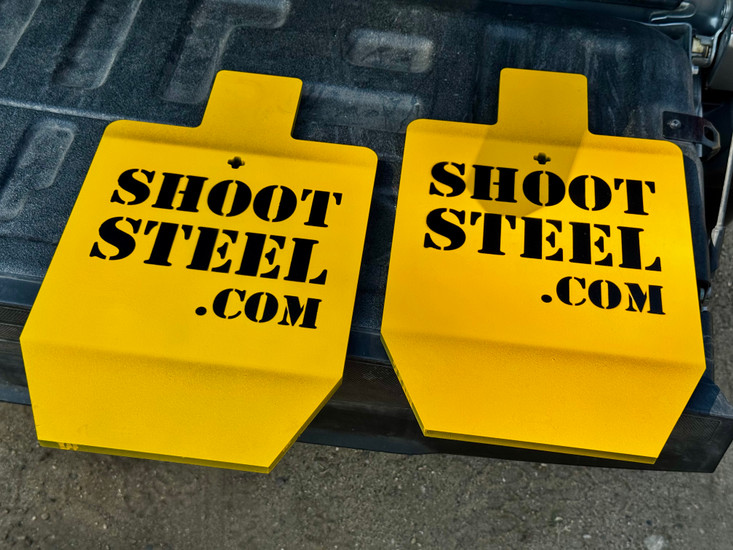
The choice between static and reactive steel targets depends on your training objective. Static targets (like gongs) are best for precision, long-range confirmation, and high-volume rifle fire. Reactive targets (like poppers or dueling trees) move or fall upon impact, making them superior for training speed, target transitions, and "shoot-until-stopped" defensive drills.
When building a range, there is no "one-size-fits-all" solution.
If you are running a PRS (Precision Rifle Series) match, you need stability. If you are training for a defensive encounter, you need movement. The best ranges utilize a mix of both to stress-test the shooter's ability to balance speed with accuracy.
So, what belongs in your range bag? Let’s break down the physics.
1. Static Steel: The Foundation of Precision
A "Static" target is simply a plate hung from a stand (usually via chains or rubber straps). It swings slightly when hit, but generally stays in one place.
Why Choose Static?
- Long-Range consistency: When shooting at 300+ yards, you need a consistent point of aim. A swinging gong gives you that "reset" instantly.
- Durability: With fewer moving parts and hinges, static targets (like our AR550 Gongs) are the tank-tough option for high-volume magnum rifle fire.
- Cost Effective: You get more surface area for your dollar, allowing you to fill a range on a budget.
The Verdict: Static steel is the workhorse. Every range should start with a set of 12" Gongs and IPSC Silhouettes.
2. Reactive Steel: The "Professor"
Reactive targets do not just sit there; they respond. They fall, spin, flip, or reset.
Why Choose Reactive?
- The "Binary" Standard: In a competition or defensive drill, a hit isn't a hit unless the target falls. A Pepper Popper forces you to deliver enough energy to do the work.
- Follow-Through Training: If you shoot a Texas Star, the target moves. This forces you to track moving threats and manage your recoil control in real-time.
- No Resetting Required: Our Auto-Poppers and Spring-Back Targets reset themselves, meaning you spend less time walking downrange and more time shooting.
The Verdict: Reactive steel is for skill building. It exposes bad habits (like jerking the trigger) that static steel might hide.
At a Glance: Which Tool for Which Job?
| Training Goal | Recommended Target | Why? |
|---|---|---|
| Long Range Precision | Static Gong | Consistent hold-over point. |
| Defensive / Tactical | Reactive Popper / Short Range Rifle | Visual confirmation of "threat stopped." |
| Speed & Transitions | Dueling Tree / Plate Rack | Forces rapid target acquisition. |
| Zeroing / Groups | Paper Target | Precision measurement. |
Pro Tip: The Mixed Bay Layout
You don't have to choose one or the other. Most professional ranges use a "Layered" approach:
- Close Range (10-25 yards): Place your Reactive targets (Poppers, Dueling Trees) here for handgun speed drills.
- Mid Range (50-100 yards): Place Static Silhouettes here for rifle transition drills.
This setup allows you to transition from high-speed pistol work to precision rifle work without moving a single stand.